 TABUCHI
AJI / MURE — THE PLACE & THE MAKING
Aji, Mure, and the hands that shape stone.
No stone is shaped by one person alone.
An eye for the mountain, a skill for the form, and work passed to the next pair of hands.
THE MAKING / ONE STONE, MANY HANDS
The craft behind the form.
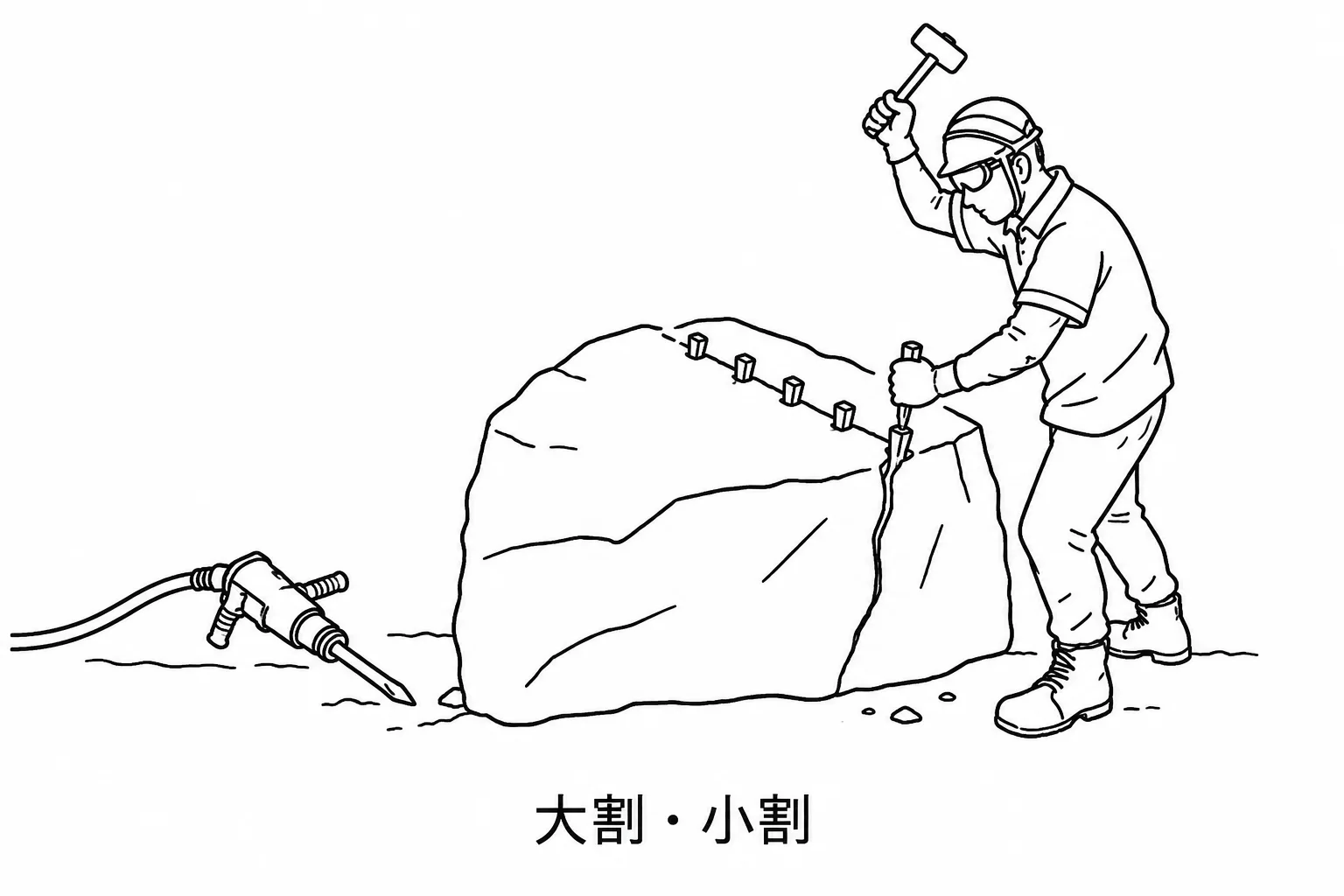
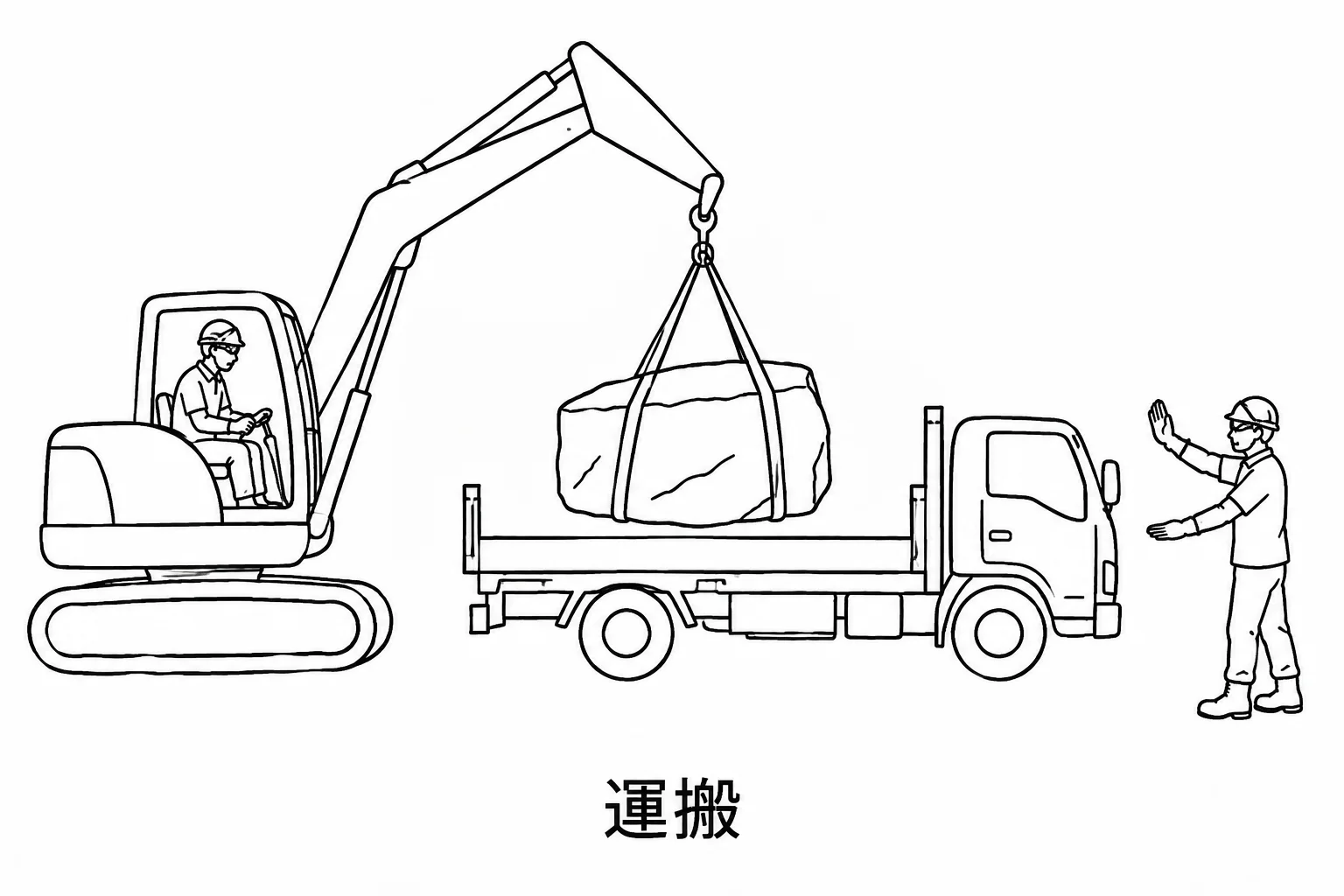
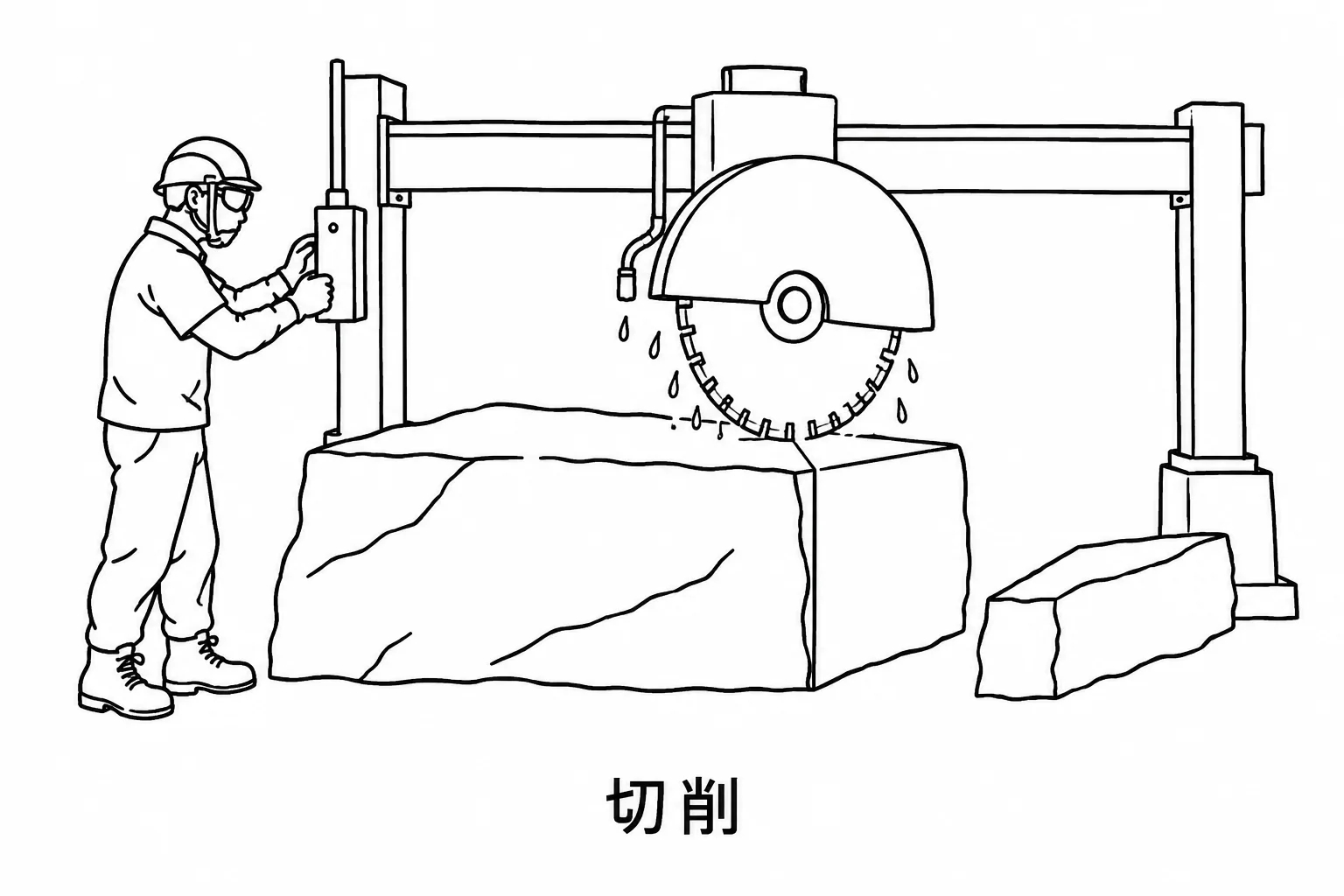
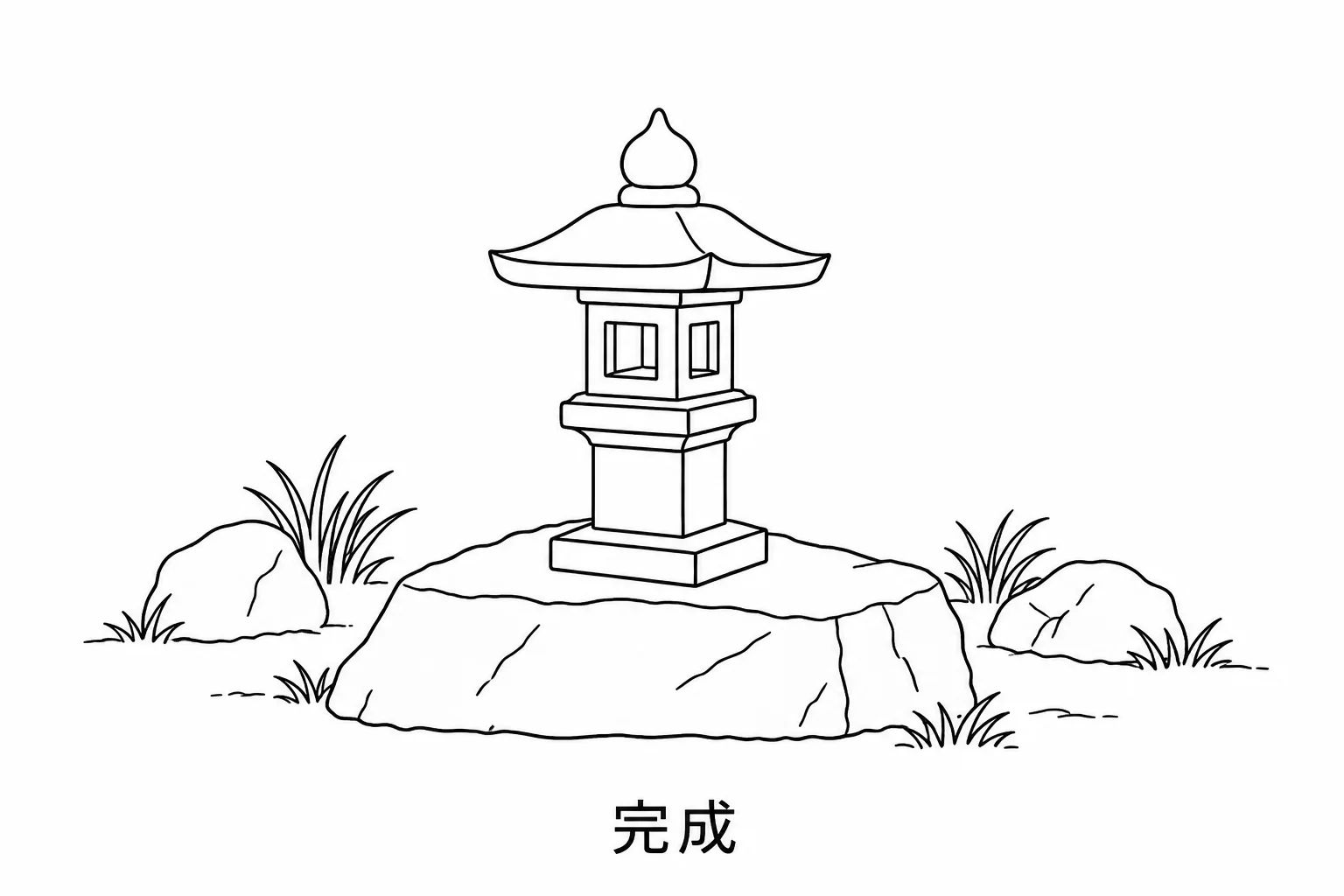
From quarrying to completion: nine stages in the making of a stone lantern.
Scroll through the stages, or select a stage below.
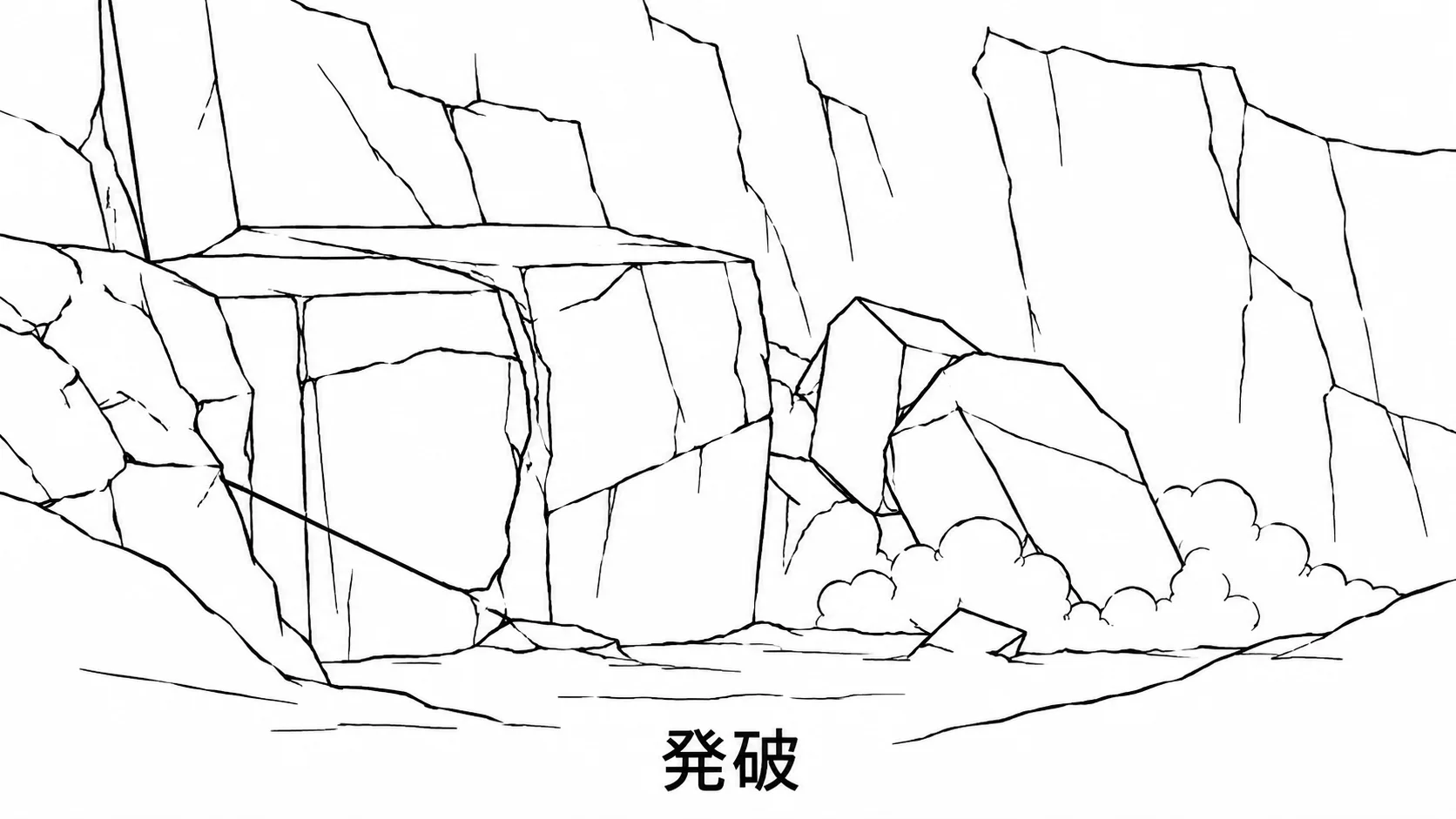
Blasting
A stone's journey begins in the mountain.
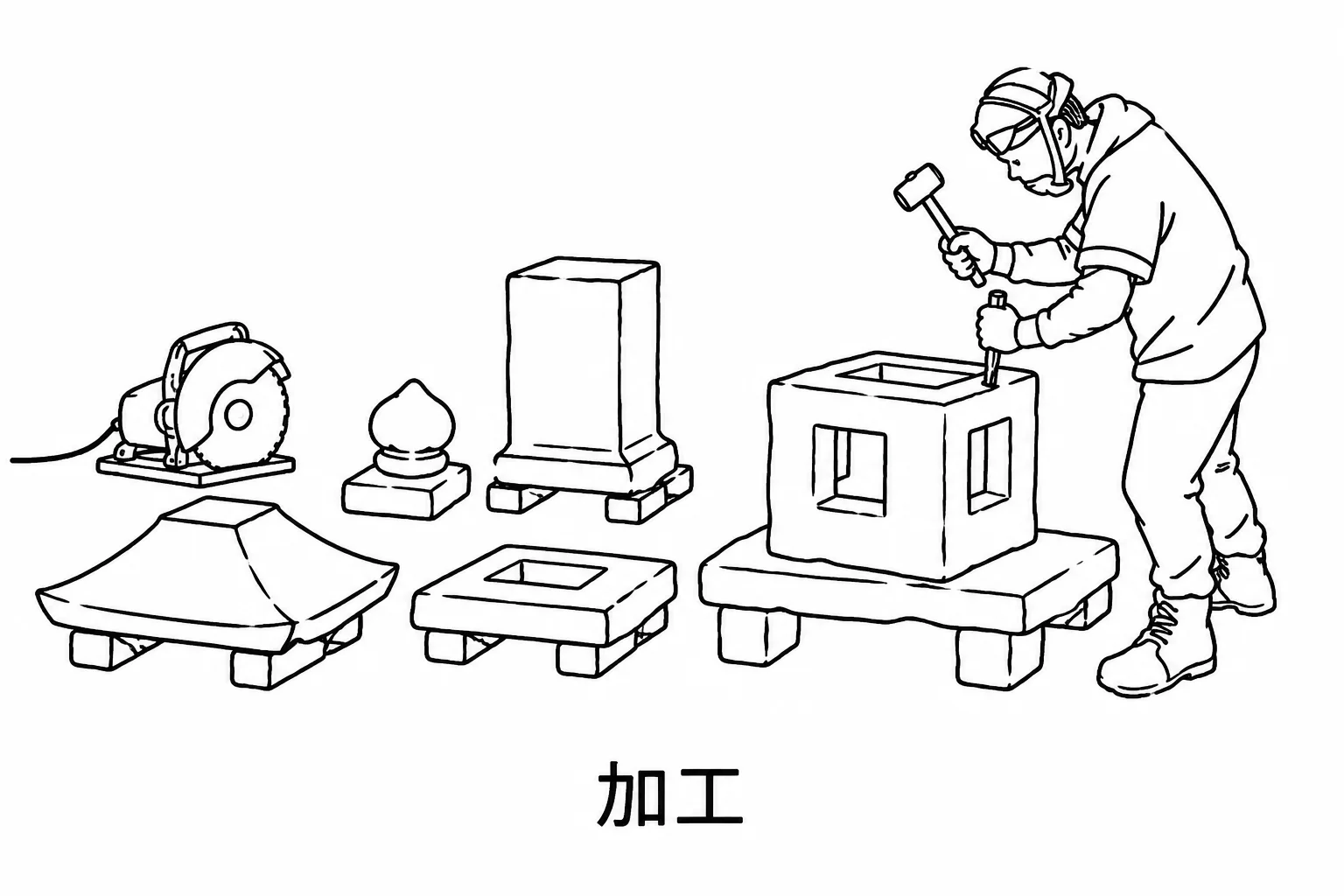
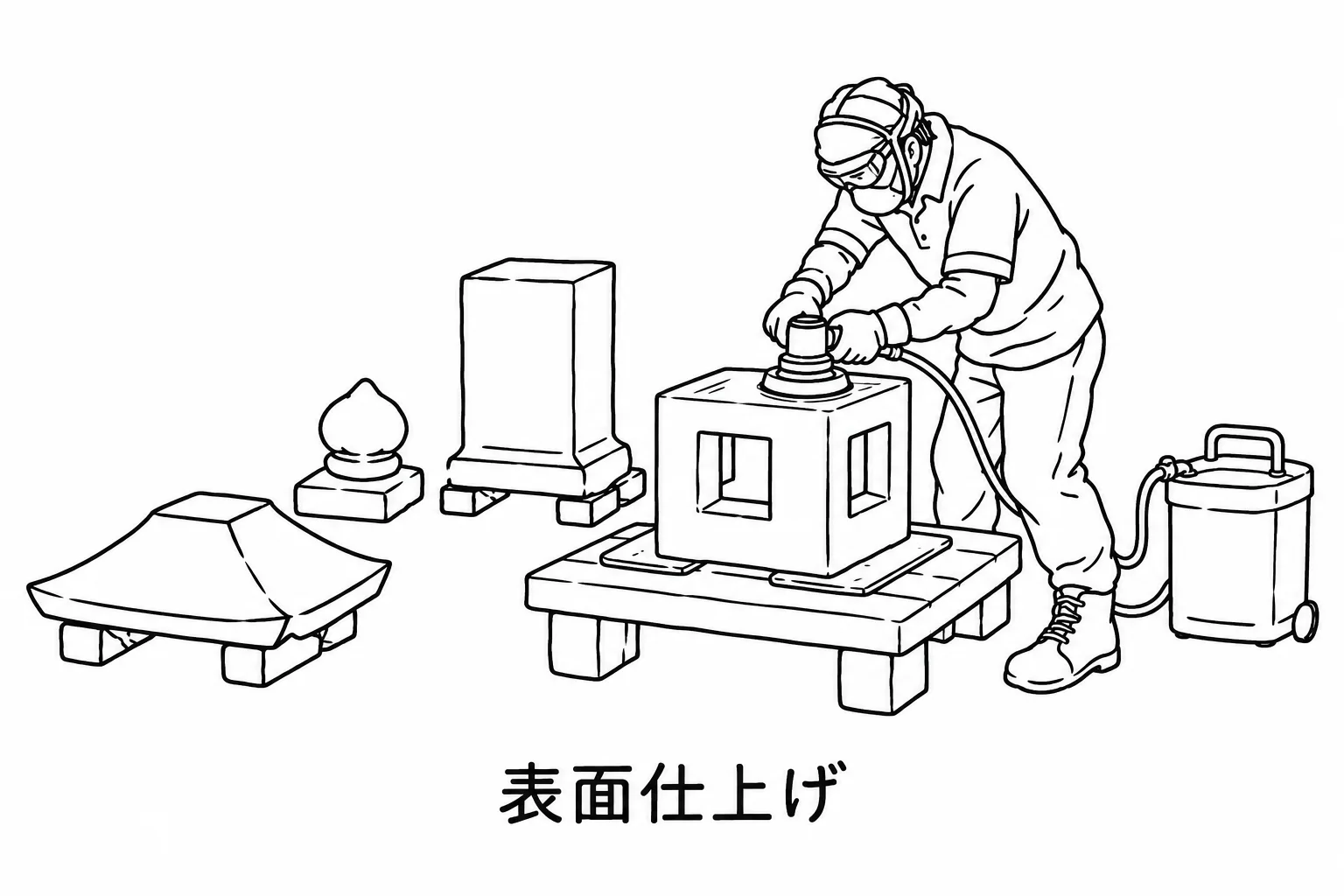
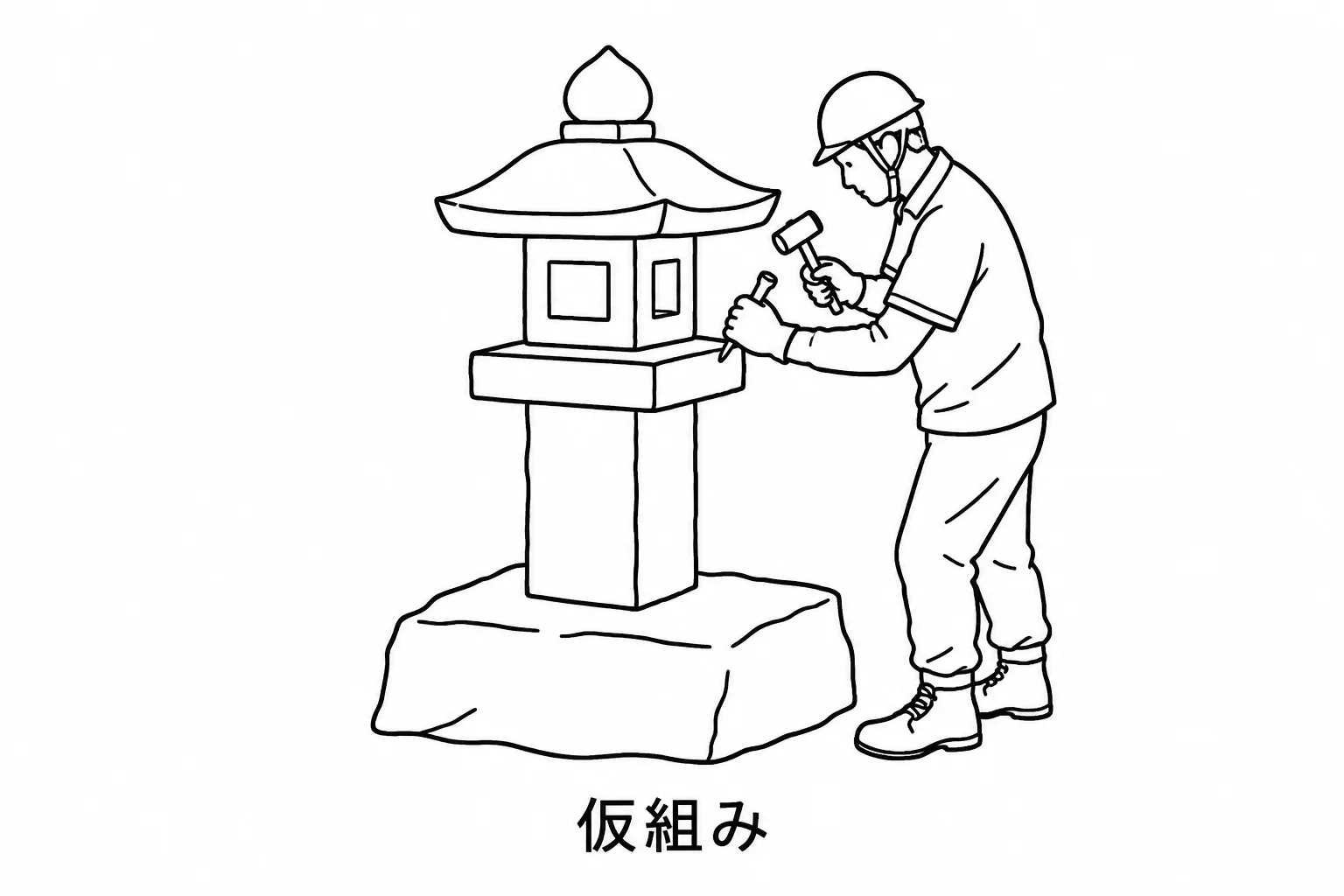
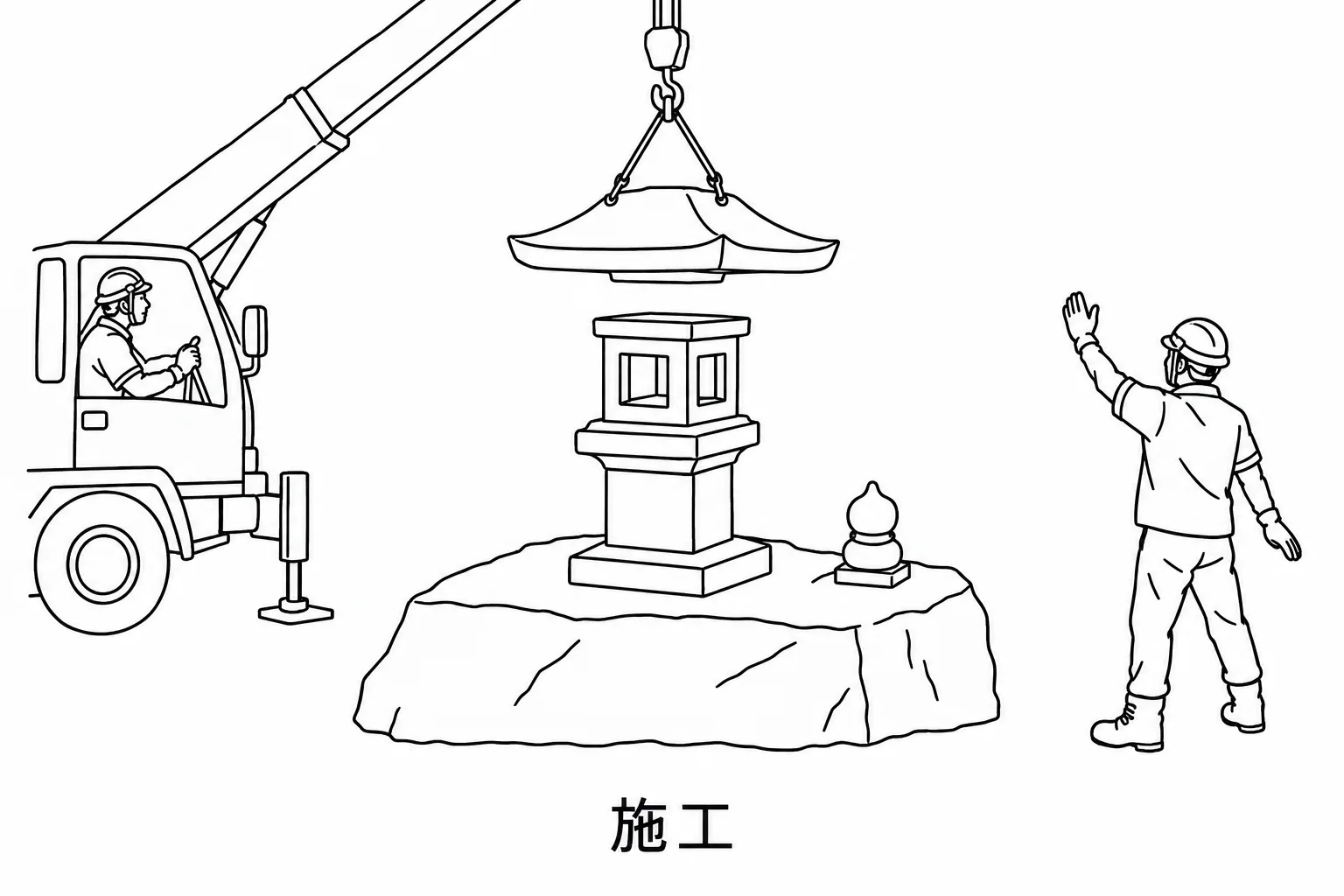
AJI / MURE — MANY HANDS, ONE STONE
One stone.
Many hands.
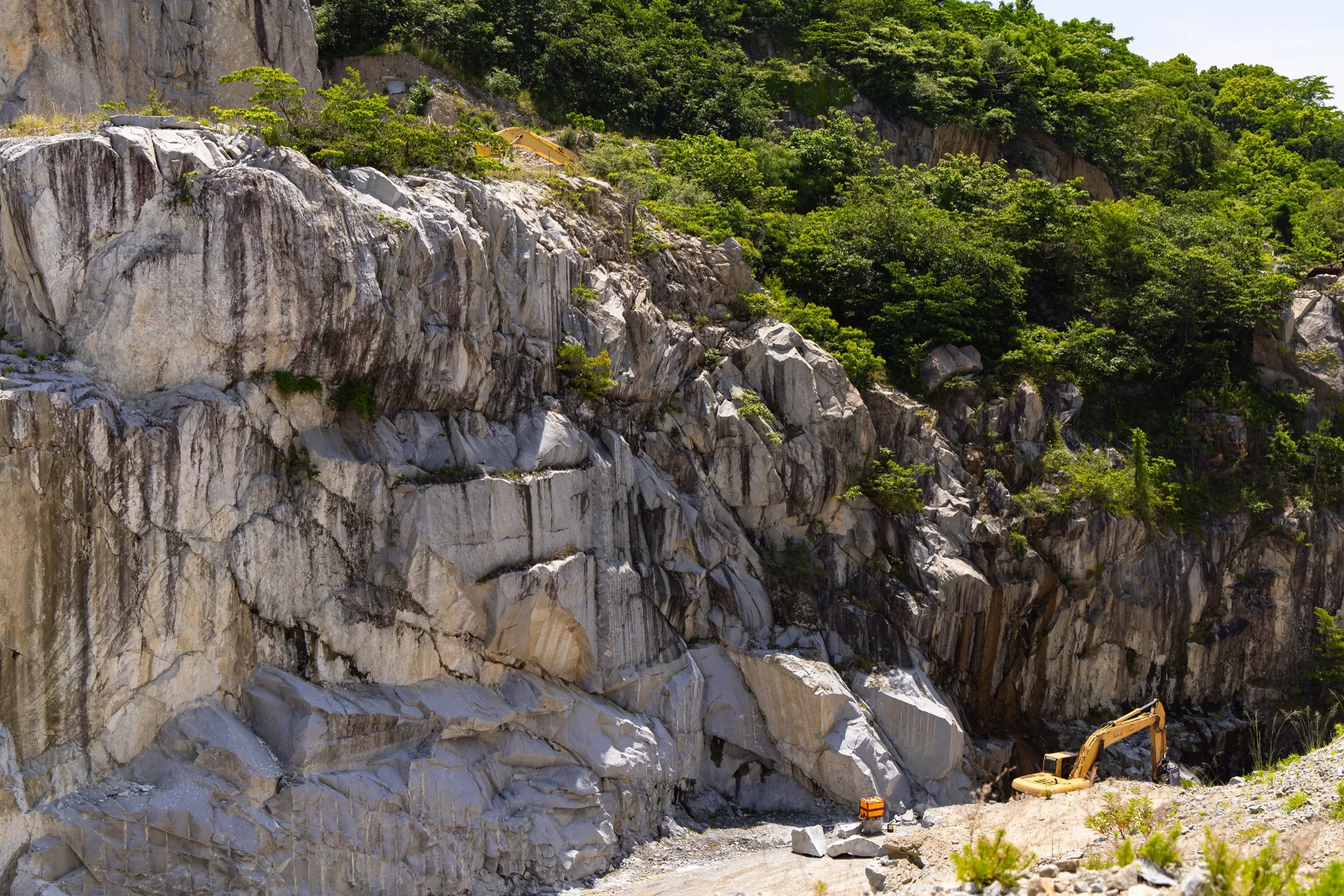
One of Japan’s three major stoneworking centres.
200+ businessesStone specialists, together in Aji and Mure.As of 2026 · quarrying, processing, sales and related stone businesses
Aji and Mure, Takamatsu, Kagawa. Alongside Makabe in Ibaraki and Okazaki in Aichi, this is one of Japan’s three major stoneworking centres. Stone specialists work close to the quarries, passing expertise from one business to the next.
Quarriers, cutters, carvers and finishers each bring their own expertise. Work passes from hand to hand to create a single piece. Aji stone’s character comes not only from the mountain, but from this community of specialists.
A LIVING TRADITION
Centuries of craft.
Alive in every stone.
The history of Aji stone quarrying is traced back to the Heian period. It is associated with the construction of Takamatsu Castle beginning in 1588 and developed further as a quarry serving the Takamatsu domain in the Edo period.
Tools have changed, but the eye that reads the stone and the hand that checks its finish remain essential. Skills passed down over centuries now reach architecture, gardens and interiors.
OOCHOUBA / 大丁場
From a domain quarry to the present.
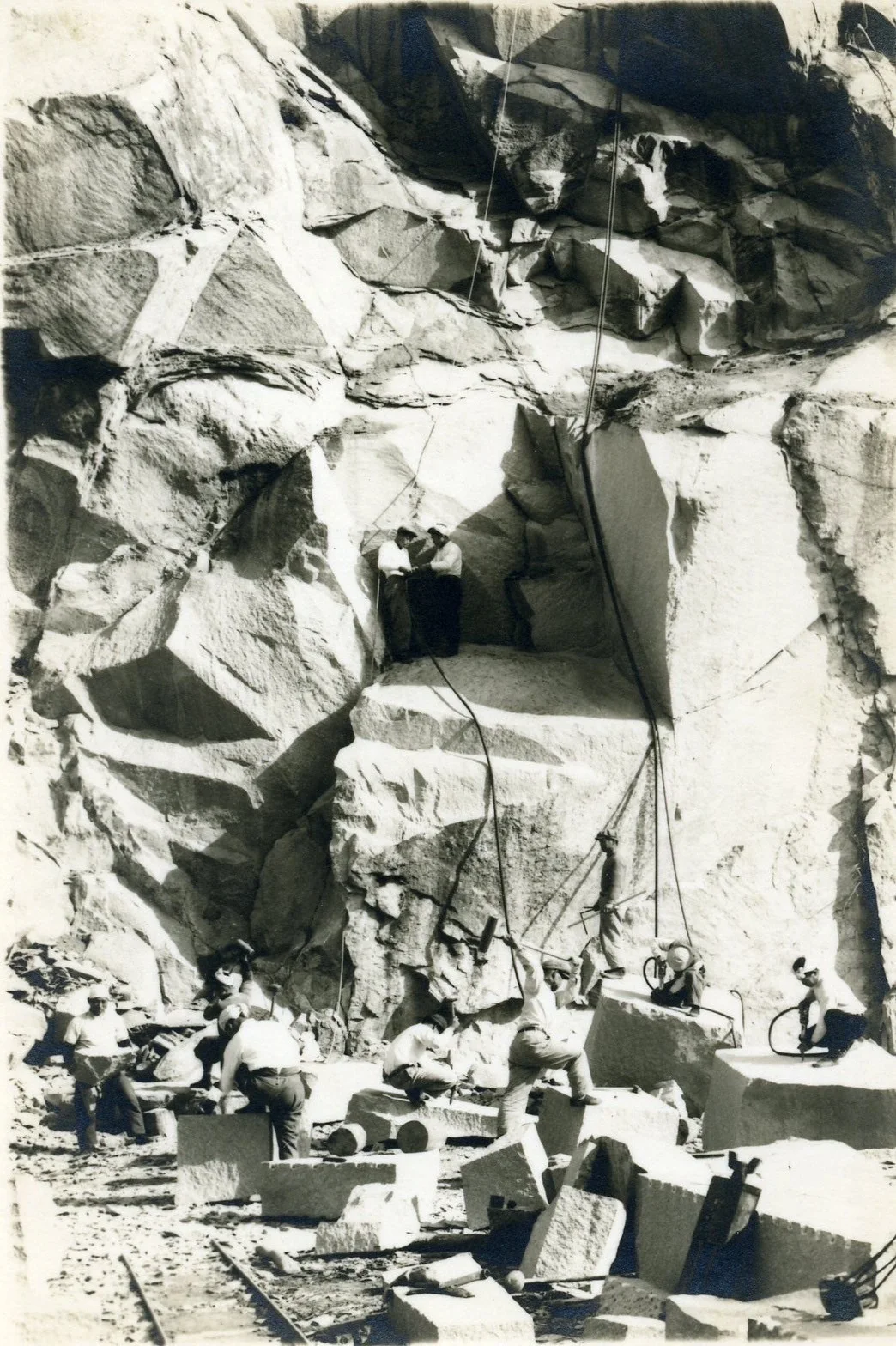
A chōba is a place where stone is quarried. Northwest of Mount Goken, Oochouba has a history of supplying stone to the Matsudaira family of the Takamatsu domain during the Edo period. Its stone was used for work on Takamatsu Castle, as well as gravestones and lanterns associated with the domain’s lords.
According to the quarry operator’s account, the site passed to the Ōkubo family of the former Takamatsu domain after the abolition of the domains in the Meiji era; the name Oochouba came into use around that time. Reading the mountain, selecting stone and passing it to the next craftsperson remain living work here.
